Bridging the wolf divide: Finding common ground on coexistence
Wolves have fought tooth and claw to reach the very top of the food chain. Yet in the United States*, the apex predator has long fallen prey to forces rooted in human identity, such as values, beliefs and social constructs, as well as growing demands for natural resources by modern society. Together, these forces have repeatedly threatened the species' existence and fueled a persistent struggle between groups with competing thoughts on coexistence.
The making of a modern wildlife conflict
At one end of the struggle are the producers: ranchers, hunters and farmers. In these communities, elk, deer, sheep and cattle are a means of survival and a cornerstone of local identity, placing these groups at odds with wolves whose primary prey are ungulates. Viewed as both a competitor and a threat, the carnivore often takes blame for the decline of game populations and depredation of vulnerable livestock.
On the other end are scientists, conservationists and wildlife enthusiasts who advocate for species rehabilitation, research and management. Between the two lie more moderate, middle-ground individuals who recognize and sometimes share the concerns, values and priorities on both sides of the debate.
These groups have long operated at opposite ends of the conversation, often speaking over one another as the divide has widened. Yet that distance also creates space for new understanding and for more durable forms of coexistence to emerge.
Minding the human-wolf divide
Bringing public, private and community stakeholders to the table for structured conversations is the focus of conflict-prevention coalitions, advisory groups and community liaisons. Working alongside researchers and rural communities to understand the values, experiences and beliefs that shape public perspectives, they help develop recommendations that support livestock producers, inform management decisions and encourage community acceptance. Their goal is simple yet increasingly complex: build trust, foster dialogue and find common ground where coexistence may be possible.
Washington resident Caitlin Scarano is a member of a state-managed coalition that advises wolf management efforts in eastern Washington. The role requires balancing competing interests and helping stakeholders engage in productive conversations despite longstanding disagreements.
“Seeing how wild and remote that country is, and how hard and skilled that work actually is, shifted how I show up in these conversations,” Scarano said. She and other members choose to operate under the ethos that the conflict over wolves doesn't have to be a zero-sum game. “...[B]ringing diverse perspectives into the same room and treating everyone's concerns as real can lead to better decisions than any one group could reach alone,” she added.
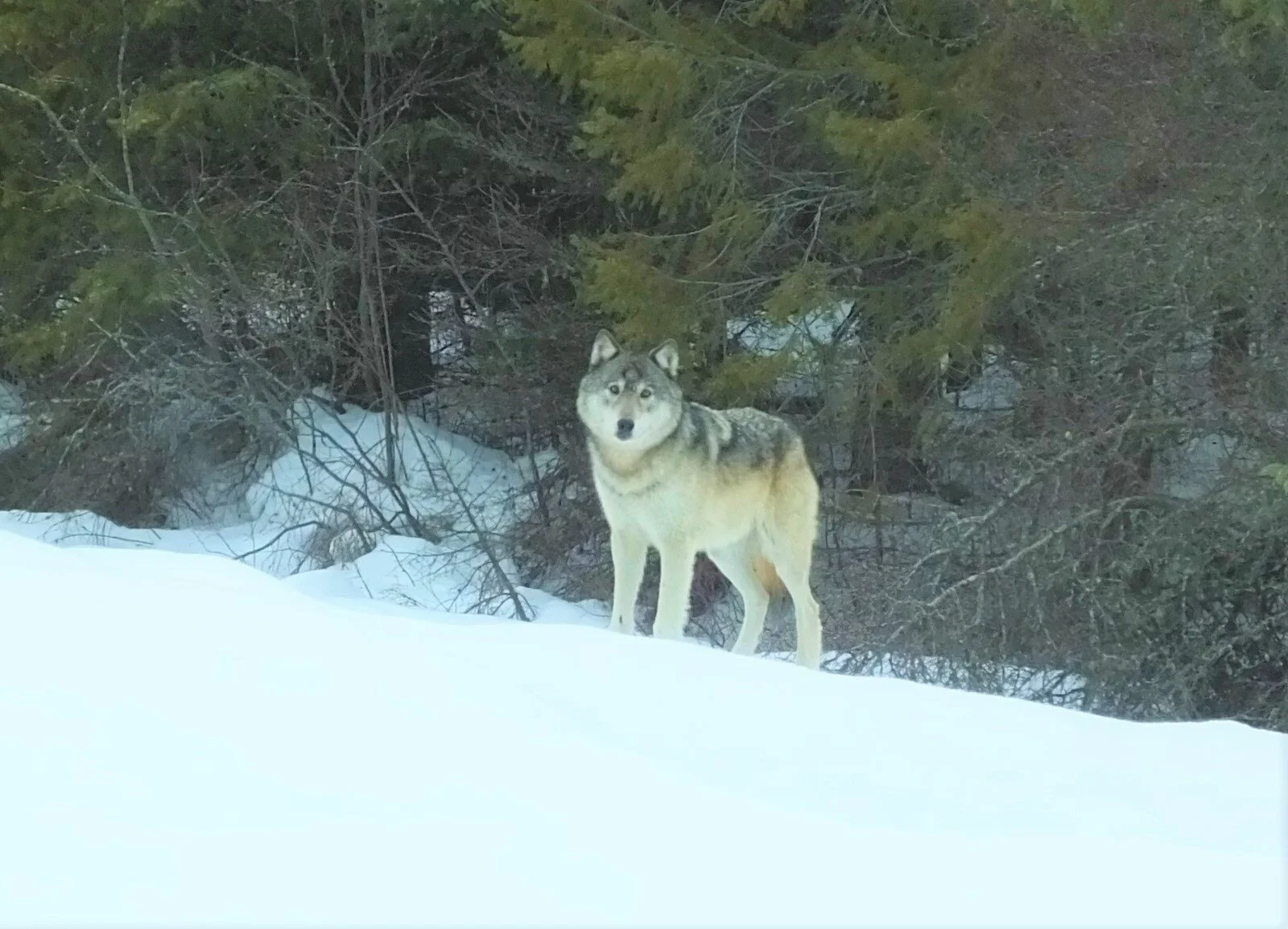
Photo credit: Washington Department of Fish and Wildlife
Year-end numbers reported by the Washington Department of Fish and Wildlife (WDFW), the agency managing Washington’s wolf populations, underscore the challenges of wolf management. In 2025, the agency observed 270 wolves and 49 packs across the state and spent nearly $2 million on wolf management and conflict-prevention activities. Meanwhile, it documented 28 wolf mortalities, 24 of which were caused by humans, and recorded 19 depredation events that resulted in at least 17 cattle killed or injured.
While accurate counts are always the goal, actual numbers may be higher as wolves are elusive creatures and depredation events may have occurred without being reported or confirmed. The challenge is compounded by the fact that more than 97% of Washington's land area is classified as rural, making monitoring and counting particularly difficult.
Transitioning from conflicts to potential solutions
By the 1900s, gray wolf populations had been nearly eradicated from the Pacific Northwest through sustained poisoning, trapping and shooting. Wolf populations have since rebounded in some states, though the predator has remained symbolic of tensions between urban and rural communities, with some viewing species management and recovery as a prime example of government overreach.
In Washington, gray wolves have made a gradual return on their own, dispersing from packs from neighboring states and Canadian provinces. As long as the species roams the state, which is also home to over 10,000 beef producers, efforts to address the underlying drivers of conflict will continue to be essential.
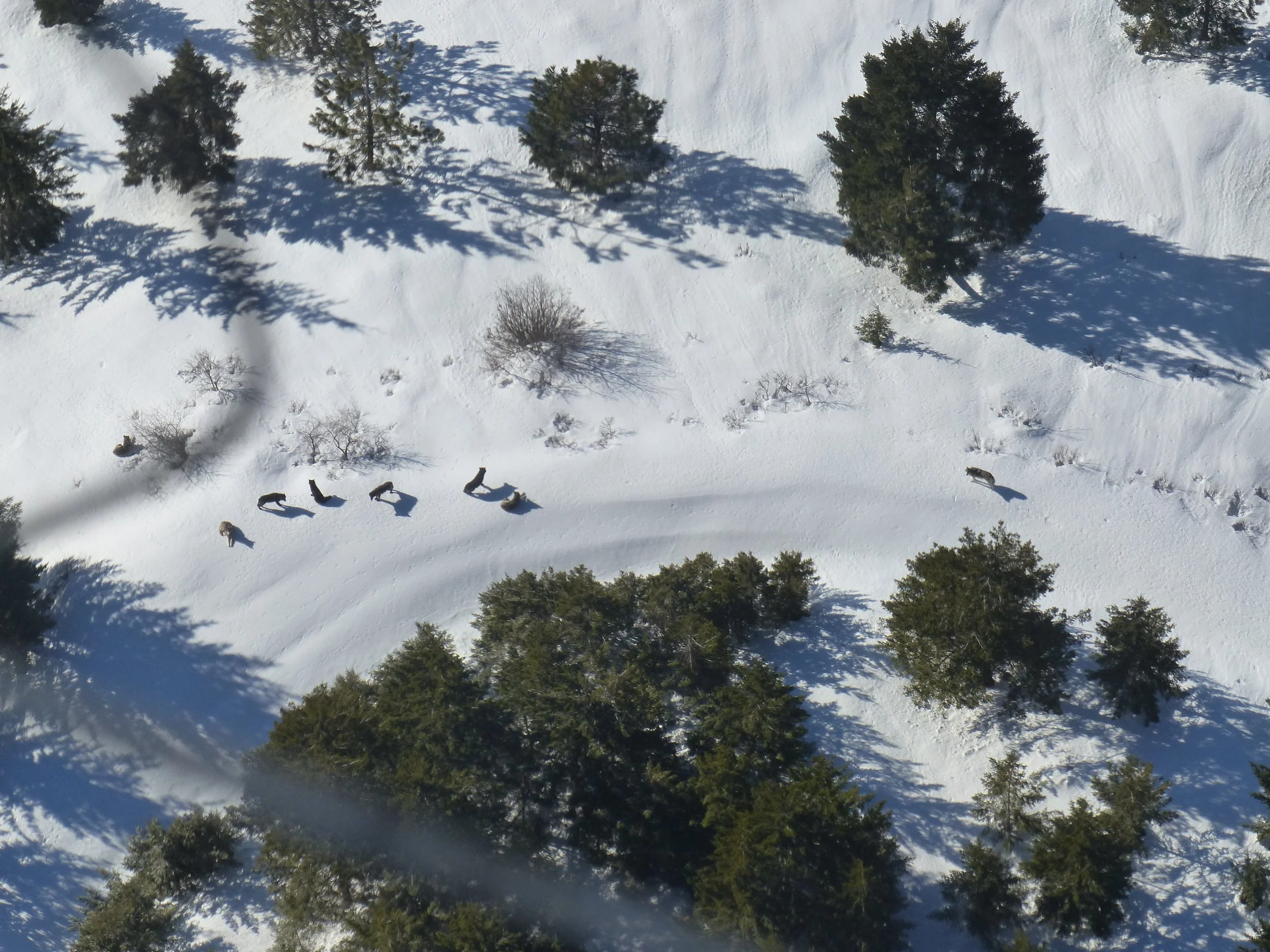
Photo credit: Washington Department of Fish and Wildlife
“It's critical that we understand the concerns and experiences of people who actually live among wolves in Washington, and try to build the relationships and policies that support competing interests. That's the long-term sustainable approach, and in my experience, it's what actually improves acceptance of wolves on the landscape,” Scarano explained.
To examine drivers behind intergroup conflicts and how mediators can address them, a 2024 study analyzed the tensions surrounding the Colorado Wolf Reintroduction Project. The Project emerged following the 2020 passage of Proposition 114, which required the state to develop and implement a plan to reintroduce and manage gray wolves by the end of 2023. The effort proved to be as ambitious as it was controversial among Colorado residents.
Researchers conducted a series of interviews with a small group of Colorado residents of varying professional and social identities, and organized their responses into four categories of perceptions: the outgroup, or those with differing viewpoints; the ingroup, or like-minded individuals; intergroup relations, or how those two groups interact; and the nature of the conflict.
The study’s perception model identified a potential mediator playbook for dissecting and diagnosing conflicts so that better reconciliation techniques can be prescribed. Solutions included focusing on perspective-taking; considering the ingroup mediation roles that those with more moderate views can play; and using joint fact-finding strategies, encouraging groups to identify trusted information that would contribute to shared goals and solutions.
Managing wolves on a shared landscape
Coalition groups across states with wolf populations have implored a wide range of management techniques that have made progress. They also continue to explore and implement new technologies that help enhance coexistence efforts.
“I came into this work as a wolf advocate, and that hasn't changed. I believe deeply in wolf recovery from a conservation standpoint, but I've gotten more collaborative and open to compromise over the years,” Scarano shared.
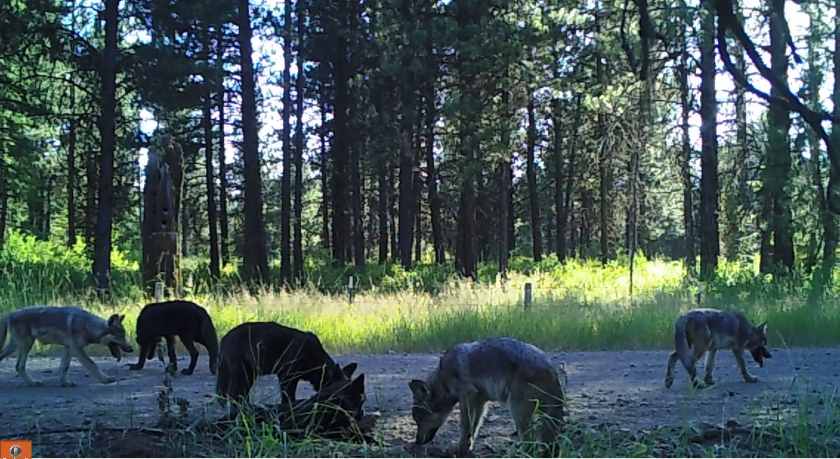
Photo credit: Washington Department of Fish and Wildlife
Successful techniques implemented by management agencies, with the support of advisory groups, have included:
Damage prevention cooperative agreements with landowners, which proactively prevent, minimize or correct damage caused by wildlife to livestock, and non-lethal conflict prevention expenses (range riding, specialized lighting and fencing, etc.)
Contracted range riders, which assist livestock producers in monitoring wolf activity in relation to livestock, provide human presence and conduct hazing to deter wolves from wanting to enter cattle-grazing areas. A recent short documentary featured the story of range rider Daniel Curry, who patrols wild areas in Eastern Washington on horseback, creating a buffer between wolves and the cattle herds that graze on public lands.
Radio collaring wolves to track their movements and investing in new technologies that alert producers and range riders to the presence of wolves. For example, nonprofit Wildlife Protection Solutions has used AI technology to remotely activate deterrents, such as loud sirens, when wildlife is detected, to prevent depredations across Asia, South America and Africa. The group presented its technology to the WDFW’s Wolf Advisory Group in a January meeting.
Compensating for livestock losses caused by wolves, or even the lethal removal of wolves responsible for recurring depredation events. In 2025, California issued over $350,000 to producers who reported one or more confirmed losses.
Continued investment in new management techniques and research.
Free public education and resources.
Open, dedicated pathways for community members to voice concerns and provide feedback to management efforts.
A path forward
While no single solution is likely to resolve the tensions surrounding wolf recovery, lasting coexistence will depend as much on people understanding each other as it does on understanding wolves. As wolves continue to roam North America, mediators, researchers and community leaders must remain increasingly focused on the human dimensions of conflict — the values, identities and experiences that shape how people view wolves and one another.
For many involved in the debate, the path forward is not about eliminating disagreement, but about creating enough dialogue, trust and common ground for competing interests to coexist so that humans and wolves may share the landscape we each call home.
*Author's note: Wolves have faced coexistence challenges in countries around the world. This story focuses on the United States because the research, data, sources and interviews cited here are limited to the American experience and domestic efforts to navigate human-wolf conflict.
** Thumbnail photo credit: Washington Department of Fish and Wildlife